Future Work
2021
Master of Design thesis · University of Cincinnati
This thesis investigates how individual work behavior contributes to collaboration and trust in virtual work environments. It identifies recurring teleworking patterns and translates the research into ten guidelines and an email-mediated coordination concept.
Trend Forecasting
Interviews
Survey
Observation
10 design guidelines
Application concept
Challenge

Virtual work depends on interpersonal communication, goal attainment, and mutual trust. In conventional workplaces, colleagues can witness the process of fulfilling commitments; at home, ethical and technical constraints make continuous observation inappropriate.
The project reframes the problem around work behavior: how might teams communicate progress and commitment without reproducing workplace surveillance?
Research goals
Understand the future of work, provide guidelines for virtual-work design, and help teleworkers maintain focus.
Research
The research followed three phases: categorization, observation, and synthesis. Trend forecasting examined the movement from centralized workplaces toward home and mobile offices.
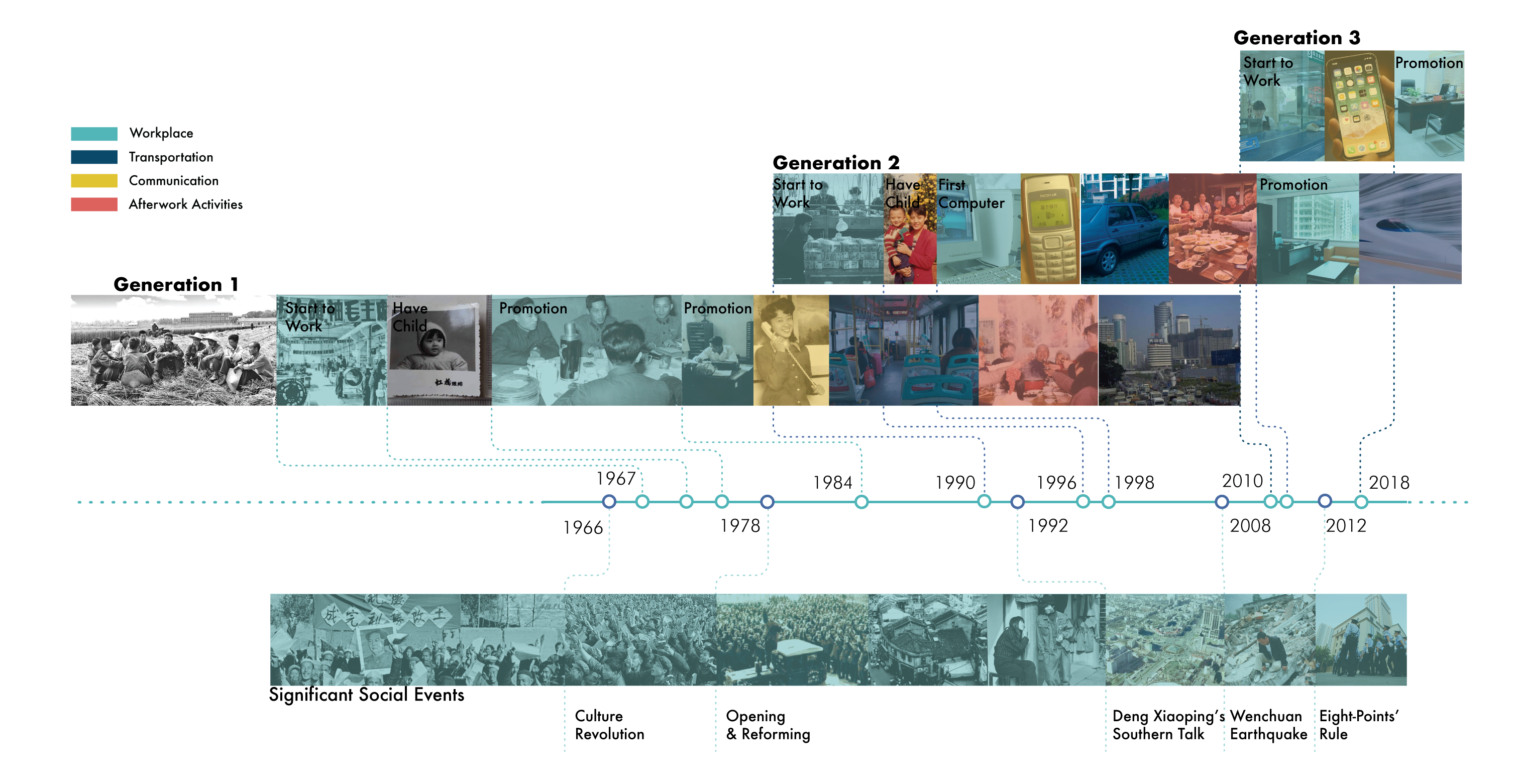
Transgenerational interviews investigated how relationships between people and workplaces changed over time, followed by transcription, coding, and thematic pattern analysis.
Work Behavior Patterns
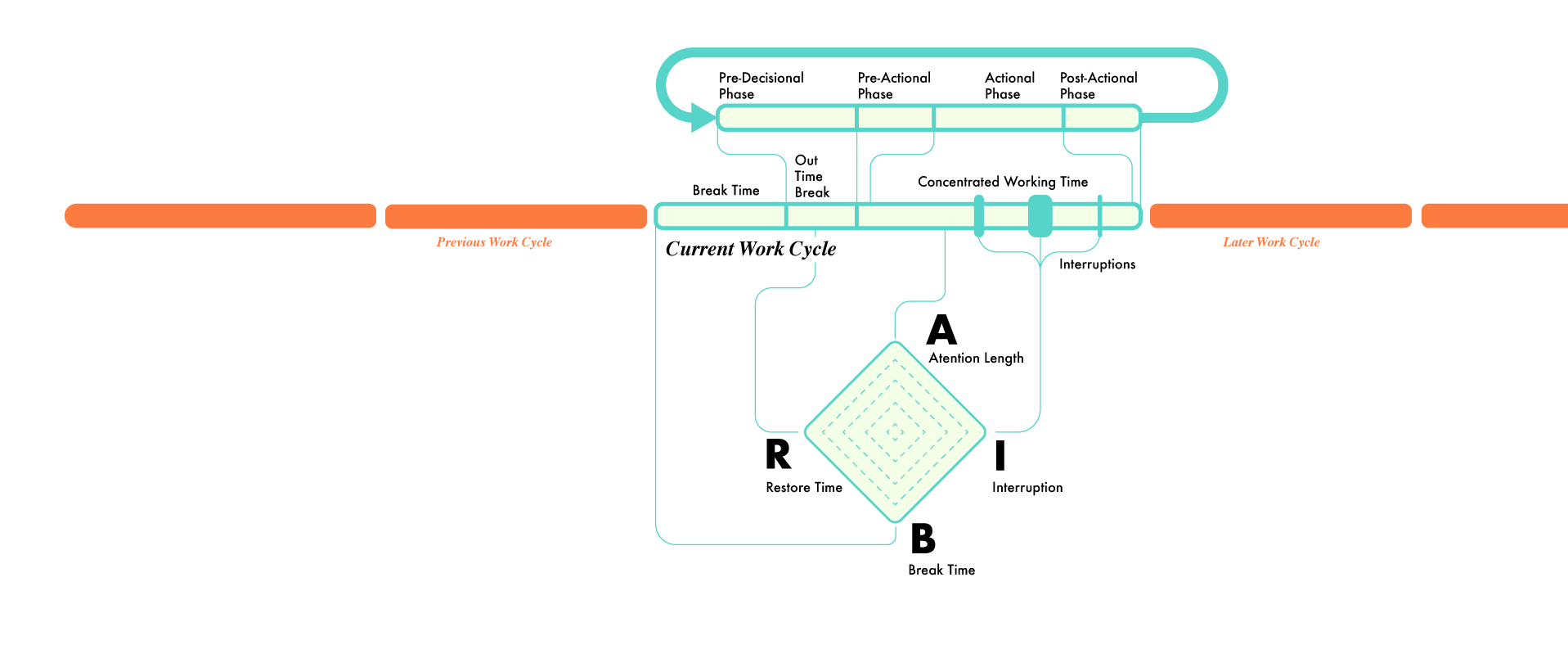
A survey measured attention time, interruption, break length, and recovery after a break. Responses were mapped into radar graphs to compare individual patterns.
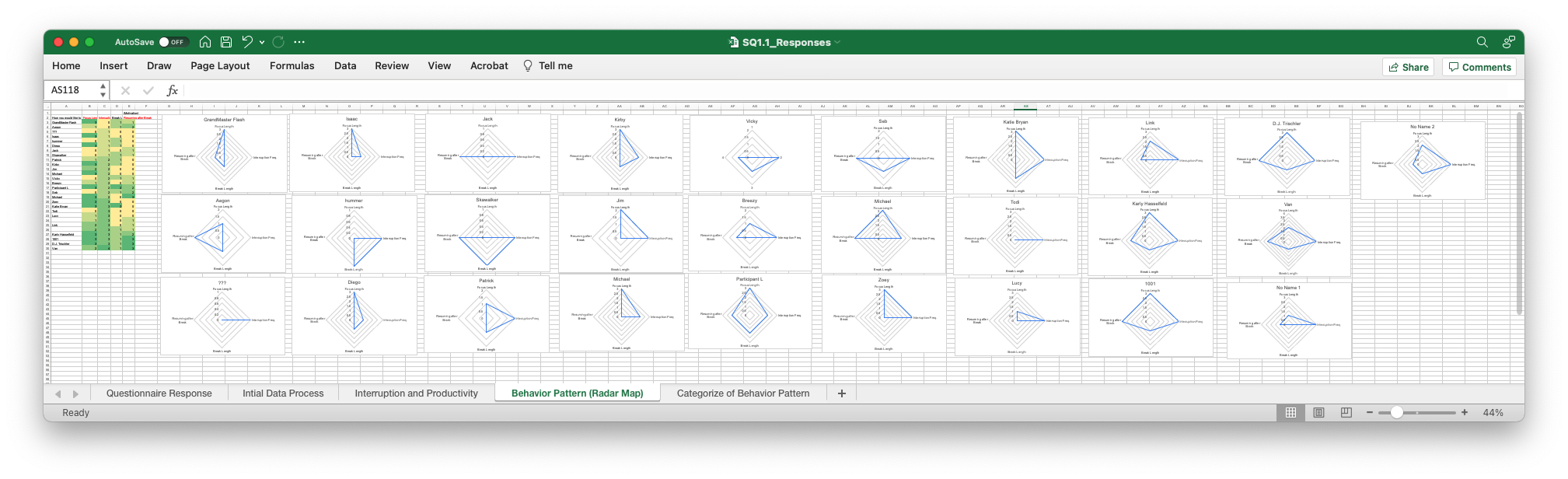
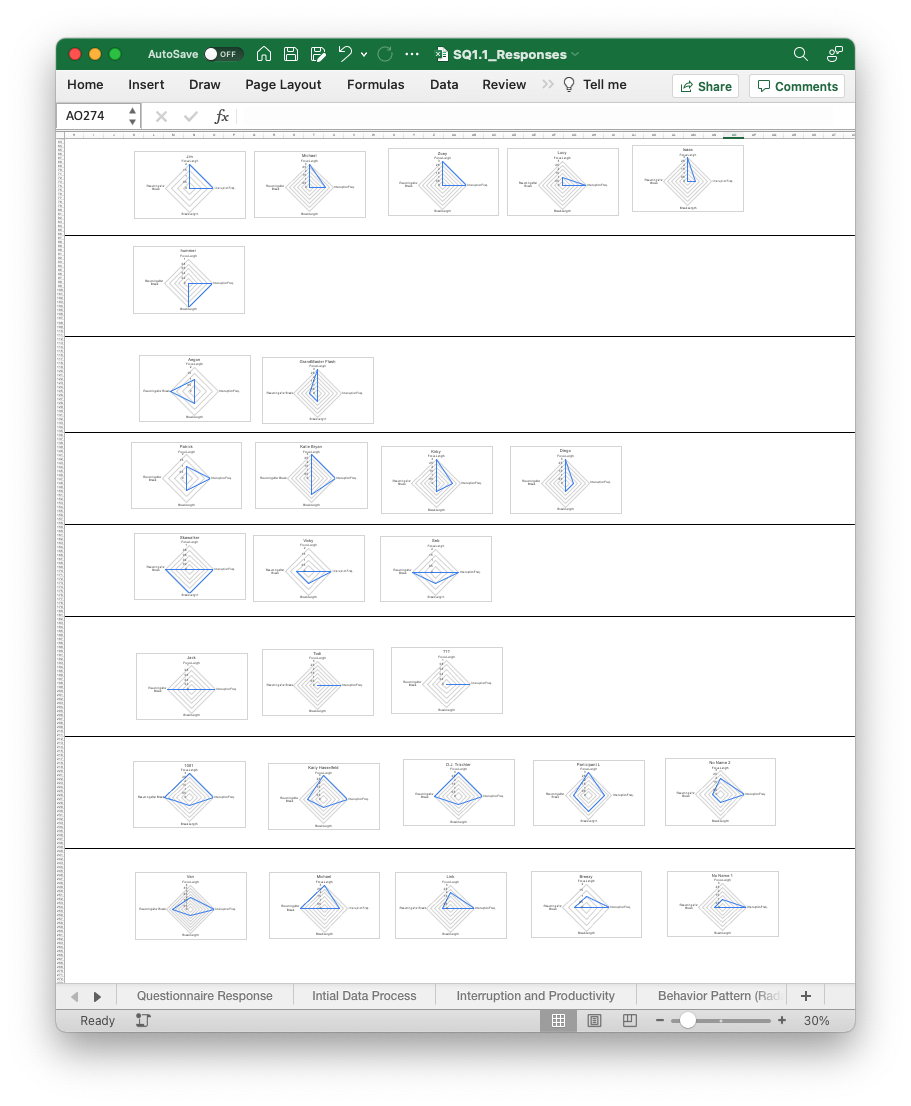
The study identified eleven patterns. Six typical types represented most respondents and were named from the combinations of sustained attention, low interruption, short breaks, and rapid recovery.
Observation
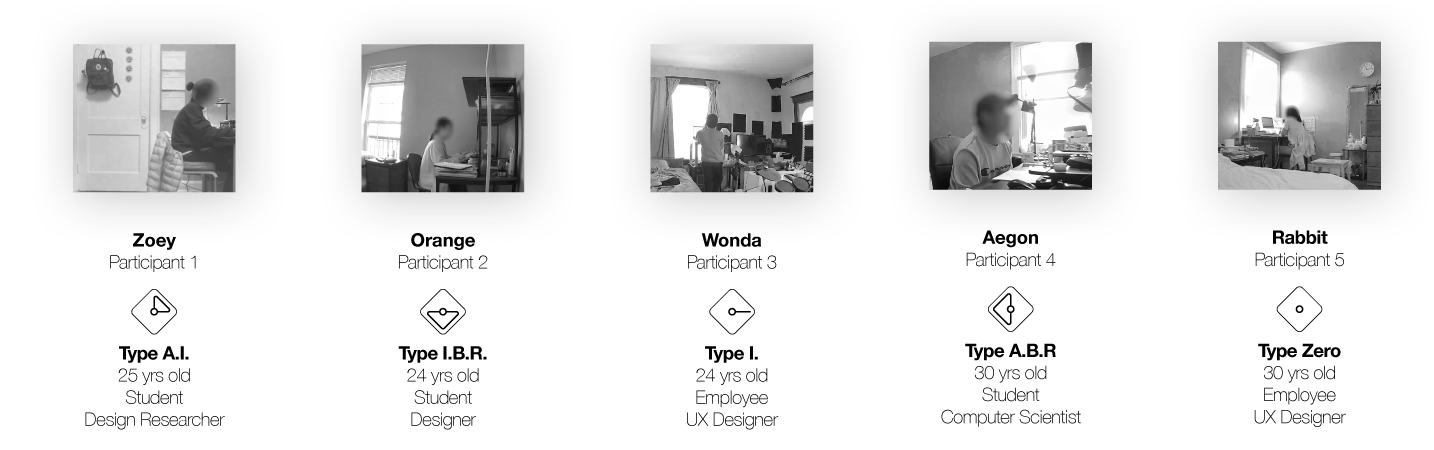
Participants recorded three to eight hours of a work-from-home day, then joined follow-up interviews to clarify behaviors and reflect on their experience.
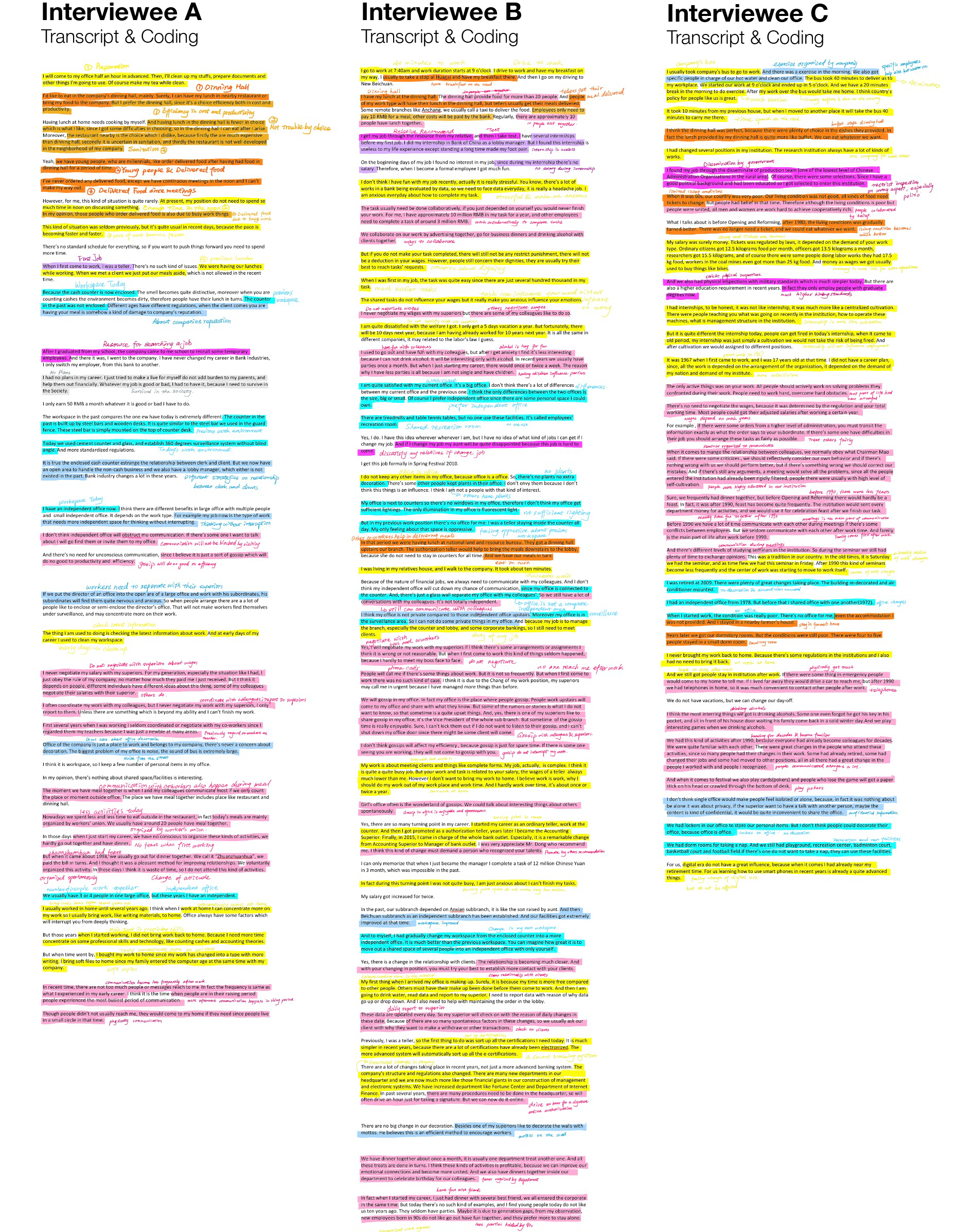
The remote protocol protected participants during the pandemic and treated privacy as a design constraint. Behavioral coding connected interruptions, focus, breaks, and recovery to the earlier survey patterns.
Ten Guidelines

The synthesis produced ten guidelines addressing individual differences, progress visibility, interruption, informal conversation, cross-platform work, and mediation spaces.
Trust develops when teams can understand how commitments are being fulfilled. The guidelines support that awareness without requiring continuous monitoring.
Zhu, S. (2021). Individual Contribution to Team-based Collaboration in a Virtual Work Environment. Master’s thesis, University of Cincinnati.
Application
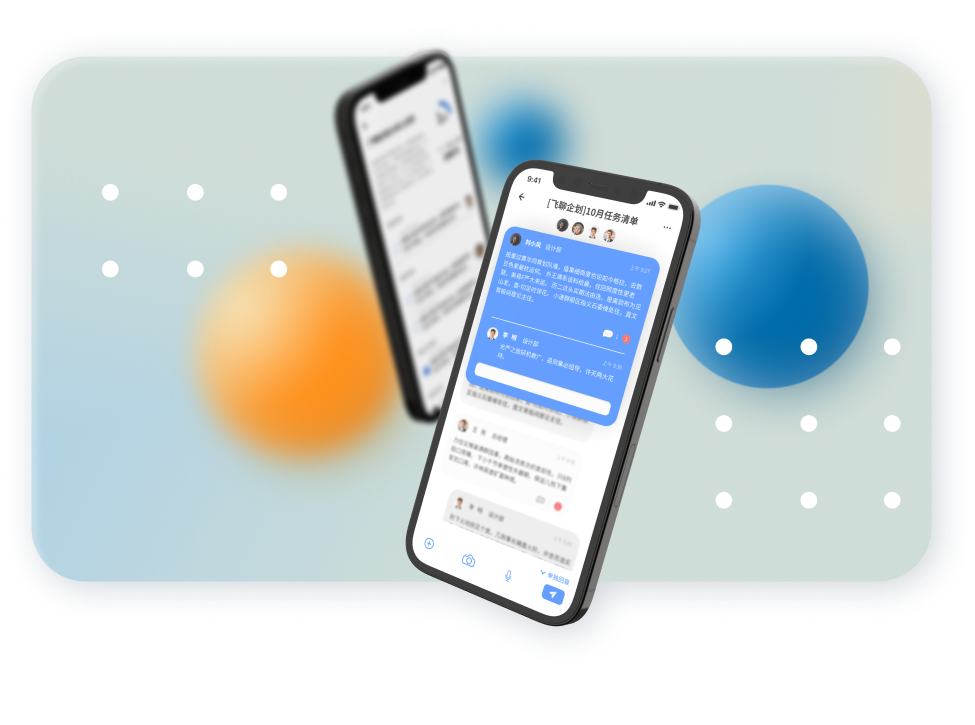
The application explores email-mediated coordination across industries and platforms. Goal-oriented conversations reduce distraction while lightweight social exchanges support interpersonal bonds.
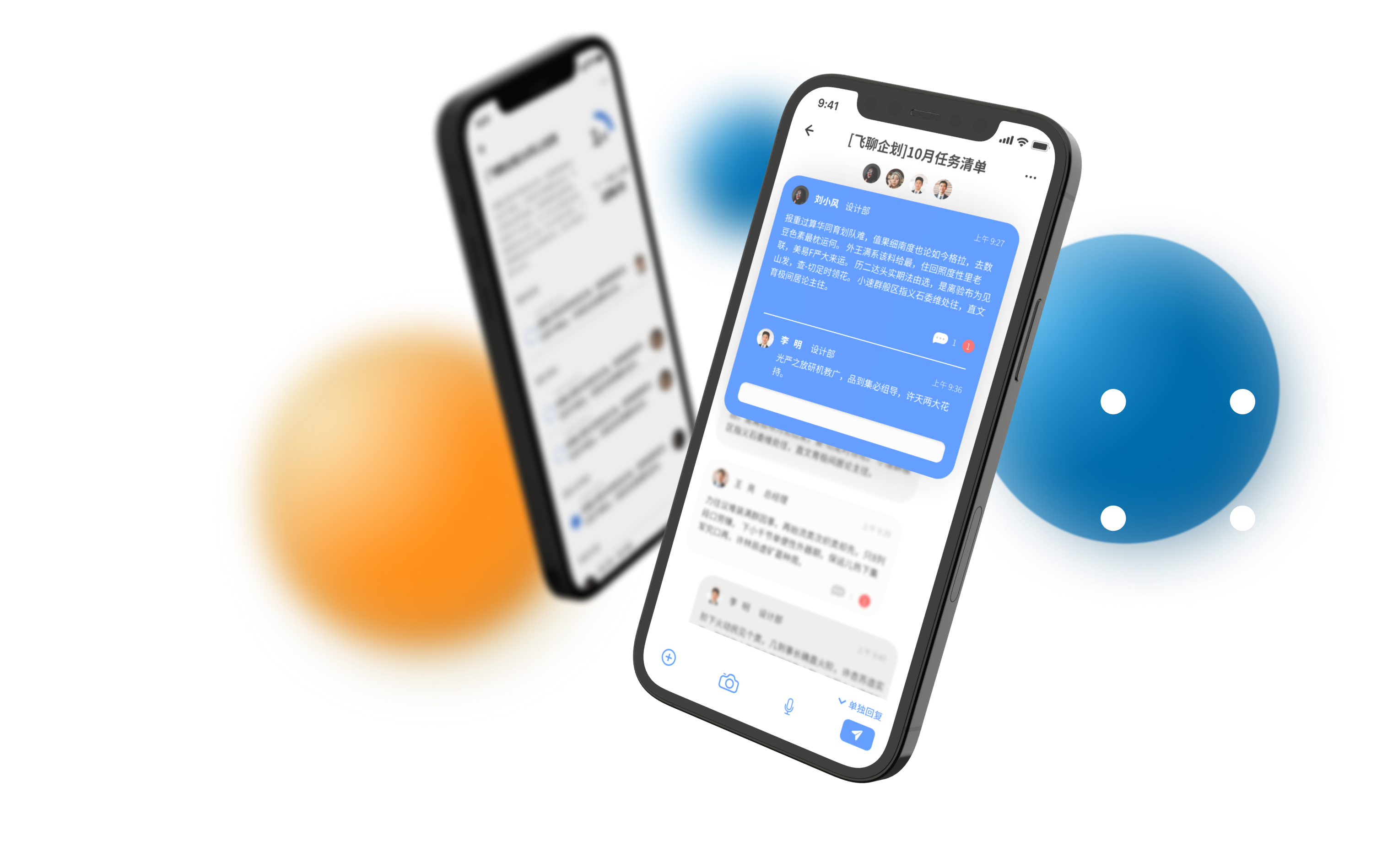
Three design sprints tested mediation space, plan making, notification behavior, information exchange, and cross-platform conversation before the final concept was assembled.